Choosing the right window blinds can make a big difference to how a room looks and feels. With so many options available, it is common to compare wooden blinds, roller blinds, and Venetian blinds before making a decision. Each type has its own benefits, style, and level of practicality. Understanding how they compare can help you choose the best option for your home or workspace.
Overview of Wooden Blinds
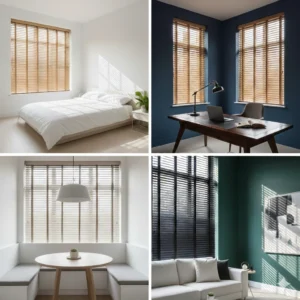
Wooden blinds are made from real wood or high-quality faux wood materials. They feature horizontal slats that can be tilted to control light or fully raised to open the window view. Wooden blinds are well known for their natural appearance and ability to add warmth and character to a room.
They are commonly used in living rooms, bedrooms, dining areas, and home offices. Wooden blinds suit both traditional and modern interiors and work especially well in spaces where a premium finish is desired.
Overview of Roller Blinds
Roller blinds are made from a single piece of fabric that rolls up and down using a simple chain or motorized system. They are known for their clean and minimal look and are available in a wide range of colors, patterns, and fabrics.
Roller blinds are often chosen for kitchens, bathrooms, and offices because they are easy to use and easy to clean. They are also a popular option for people who want a simple and budget-friendly window covering.
Overview of Venetian Blinds
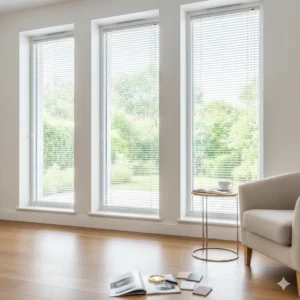
Venetian blinds consist of horizontal slats that can be tilted and raised, similar to wooden blinds. However, they are usually made from aluminum, PVC, or other lightweight materials rather than wood.
Venetian blinds are valued for their practicality and precise light control. They are commonly used in offices, bathrooms, and modern homes where moisture resistance and durability are important.
Appearance and Style Comparison
When it comes to appearance, wooden blinds stand out for their natural and elegant look. The wood grain adds depth and texture, making rooms feel warm and inviting. They often become a design feature rather than just a functional item.
Roller blinds offer a sleek and understated look. They blend into the background and are ideal for people who prefer a minimalist style. Because they come in many colors and prints, they can also be used to add a bold visual element if desired.
Venetian blinds have a more practical and modern appearance. Aluminum versions give a clean and contemporary feel, while PVC options offer a softer look. However, they generally do not provide the same warmth as wooden blinds.
Light Control and Privacy
Wooden blinds offer excellent light control. The slats can be tilted to let in natural light while maintaining privacy, or fully closed for complete privacy. This makes them ideal for rooms where flexible light adjustment is important.
Venetian blinds also provide strong light control due to their adjustable slats. They are particularly useful in spaces where glare reduction is needed, such as home offices or study areas.
Roller blinds provide more limited light control. They are either open or closed, although different fabric types such as blackout or light-filtering fabrics can help manage light levels. They are effective for privacy but less flexible than slatted blinds.
Durability and Maintenance
Wooden blinds are durable when properly cared for. They require occasional dusting and should be kept away from excessive moisture to prevent warping. Faux wood options perform better in humid areas and offer a similar appearance with less risk.
Roller blinds are easy to maintain. Most fabrics can be wiped clean, and their simple design means fewer moving parts. However, fabric blinds may stain more easily over time.
Venetian blinds are highly durable, especially aluminum and PVC versions. They handle moisture well and are easy to clean, making them suitable for kitchens and bathrooms.
Energy Efficiency
Wooden blinds offer good insulation properties. The thickness of the slats helps reduce heat loss in colder months and limits heat gain during warmer months. This can improve comfort and reduce energy use.
Venetian blinds provide moderate insulation but are generally less effective than wooden blinds due to thinner slats.
Roller blinds can improve insulation depending on the fabric used. Thermal and blackout roller blinds perform better than standard fabrics, but overall insulation depends heavily on material quality.
Cost Considerations
Wooden blinds are usually more expensive than roller and standard Venetian blinds. The higher cost reflects the materials used and the premium appearance they provide.
Roller blinds are often the most affordable option, making them popular for large projects or rental properties.
Venetian blinds fall somewhere in the middle, with prices varying based on material and size.
Final Thoughts
Wooden blinds, roller blinds, and Venetian blinds each serve different needs. Wooden blinds are ideal for those who want warmth, style, and strong light control. Roller blinds suit minimal designs and offer a simple and cost-effective solution. Venetian blinds provide practicality, durability, and precise light adjustment.