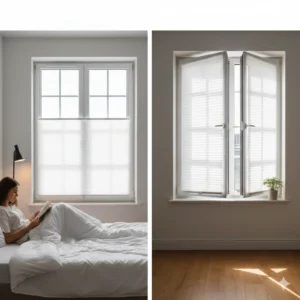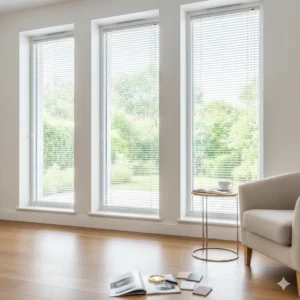
Wooden blinds are valued for their natural beauty, warmth, and timeless style. They can instantly enhance the look of a room and work well in both classic and modern interiors. However, because wood is a natural material, it reacts to changes in the environment. One of the biggest factors that can affect wooden blinds over time is humidity.
Understanding how humidity impacts wooden blinds and knowing how to manage it can help extend their lifespan and keep them looking their best.
Why Humidity Matters for Wooden Blinds
Humidity refers to the amount of moisture in the air. When humidity levels rise, wood absorbs moisture from the surrounding air. When humidity drops, wood releases that moisture. This constant expansion and contraction can affect the structure and appearance of wooden blinds.
In rooms with high moisture levels, such as kitchens, bathrooms, and laundry areas, wooden blinds are exposed to more humidity than in other parts of the home. Seasonal changes can also play a role, especially in regions with damp winters or humid summers.
Common Effects of Humidity on Wooden Blinds
Excess moisture in the air can lead to several issues with wooden blinds. These problems often develop gradually and may not be noticeable at first.
Some of the most common effects include:
- Warping or bending of slats due to moisture absorption
- Swelling that causes slats to stick together or operate poorly
- Cracking or splitting when wood dries too quickly after exposure to moisture
- Discoloration or fading of the finish over time
- Reduced smoothness when raising, lowering, or tilting the blinds
These issues not only affect the appearance of the blinds but can also impact their functionality.
Rooms Where Humidity Is a Bigger Concern
Certain areas of the home naturally produce more moisture. Kitchens generate steam from cooking, while bathrooms experience high humidity from showers and baths. Bedrooms with poor ventilation can also trap moisture, especially during colder months.
In these spaces, wooden blinds are more likely to experience changes caused by humidity. This does not mean wooden blinds cannot be used at all, but extra care and planning are needed.
How to Protect Wooden Blinds From Humidity
The good news is that there are practical steps you can take to reduce the impact of humidity on wooden blinds. Proper placement, maintenance, and environmental control can make a significant difference.
One of the most effective steps is ensuring good ventilation. Using extractor fans in kitchens and bathrooms helps remove excess moisture from the air. Opening windows regularly also allows fresh air to circulate and reduces humidity buildup.
Keeping blinds away from direct sources of moisture is equally important. Avoid placing wooden blinds directly above sinks, bathtubs, or areas where steam frequently rises.
Regular maintenance also plays a key role. Dusting blinds weekly prevents moisture from mixing with dirt and settling into the wood. Occasional gentle cleaning with a dry or slightly damp cloth helps maintain the finish without adding excess moisture.
Choosing the Right Type of Wooden Blind
Not all wooden blinds perform the same in humid conditions. Real wood blinds offer a rich and authentic look, but they are more sensitive to moisture. Faux wood blinds are designed to mimic the appearance of real wood while offering greater resistance to humidity.
Faux wood blinds are often made from composite materials or PVC, which do not absorb moisture in the same way. This makes them a popular choice for kitchens, bathrooms, and homes in humid climates.
For homeowners who prefer real wood, selecting blinds with a high-quality seal or protective coating can help reduce moisture absorption.
Seasonal Humidity and Wooden Blinds
Humidity levels change throughout the year. During colder months, indoor heating can dry out the air, causing wood to shrink. In warmer months, higher humidity can lead to expansion.
Maintaining a stable indoor environment helps protect wooden blinds from extreme changes. Using a dehumidifier in summer and a humidifier in winter can help balance moisture levels and reduce stress on the wood.
Long-Term Care and Smart Placement
Wooden blinds tend to perform best in rooms with moderate humidity and consistent temperatures. Living rooms, dining rooms, and bedrooms are usually ideal locations.
By placing wooden blinds in suitable spaces and managing humidity carefully, homeowners can enjoy their beauty for many years without major issues.
Final Thoughts
Humidity plays a significant role in how wooden blinds age and perform. Excess moisture can cause warping, swelling, and long-term damage, while very dry conditions can lead to cracking.
With proper ventilation, regular care, and thoughtful placement, the effects of humidity can be greatly reduced. Choosing the right type of blind for each room also makes a big difference.