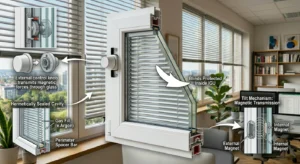
Integral blinds, also known as built-in blinds, are a modern and practical solution for controlling light and privacy in your home or office. Unlike traditional blinds, these are sealed between two panes of glass, which protects them from dust and damage while reducing maintenance. Choosing the right integral blinds for your windows ensures they function smoothly, enhance your interior, and last for years.
If you are considering integral blinds, there are several factors to consider before making a purchase.
Understand Your Window Type
The first step in choosing the best integral blinds is understanding your window type. Integral blinds can be installed in a variety of windows, including:
- Standard single and double-glazed windows
- Sliding doors and bi-fold doors
- French doors and patio doors
- Velux and skylight windows
Some window types, such as shallow frames or irregularly sized panes, may require specific models or mounting options. Knowing the exact type and measurements of your windows will help narrow down your choices.
Determine the Right Style
Integral blinds come in several styles, each with unique features and benefits:
- Venetian Integral Blinds: These have horizontal slats that can be tilted to control light and privacy. They are the most popular option for their versatility and modern look.
- Pleated Integral Blinds: Made from fabric that folds neatly, pleated blinds provide soft light filtration and a minimalist aesthetic.
- Cellular or Honeycomb Integral Blinds: These blinds are designed for insulation. The honeycomb structure traps air, helping regulate indoor temperatures.
Consider your style preference and the purpose of the blinds when choosing between these options.
Decide Between Manual or Electric Operation
Integral blinds are available in both manual and electric versions.
- Manual Controls: These typically use a magnetic slider or rotating knob. They are simple, cost-effective, and ideal for windows that are easily reachable.
- Electric Controls: Motorized integral blinds can be operated using a switch, remote, or even a smart home system. These are perfect for hard-to-reach windows, large installations, or modern smart homes.
The choice depends on convenience, budget, and the size or location of your windows.
Consider the Material and Finish
The material and finish of integral blinds affect both durability and appearance. Common finishes include:
- Aluminium: Lightweight, durable, and ideal for modern interiors.
- High-quality plastic or composite: Resistant to moisture and ideal for bathrooms or kitchens.
- Fabric coatings: Available in pleated and cellular blinds, providing a softer look while still being easy to maintain.
Choose a material that complements your interior décor and meets your practical needs.
Think About Light Control and Privacy
Integral blinds offer precise light and privacy control. Consider the level of privacy you require in each room. For example:
- Bedrooms and bathrooms may need blackout or fully opaque blinds.
- Living rooms or kitchens may benefit from slatted blinds that filter light while maintaining privacy.
The right type of blinds ensures you get the perfect balance between natural light and comfort.
Measure Your Windows Accurately
Accurate measurements are critical when selecting integral blinds. Unlike traditional blinds, integral blinds are fitted inside a sealed glass unit. Even small errors can lead to poor fit or operational issues.
Measure the width, height, and depth of the window recess, and always double-check your measurements. Many manufacturers offer custom sizing, which can be ideal for unique windows.
Consider Energy Efficiency
Some integral blinds, such as cellular or honeycomb models, provide additional insulation. They trap air between the panes, helping reduce heat loss in winter and heat gain in summer.
If energy efficiency is a priority, choosing blinds with insulating properties can help reduce your heating and cooling costs over time.
Factor in Maintenance
One of the key benefits of integral blinds is low maintenance. Since they are sealed inside the glass, they do not collect dust and rarely need cleaning. However, some finishes and materials may still require occasional wiping or careful handling.
Consider where the blinds will be installed and choose materials that suit the room conditions. For example, moisture-resistant blinds are ideal for kitchens, bathrooms, and conservatories.
Choose a Reputable Supplier
Finally, selecting a trusted supplier ensures you receive high-quality blinds and support if needed. Look for companies with experience in integral blinds, positive reviews, and clear installation instructions. Some suppliers also provide installation services, which can be helpful for beginners or large projects.
Final Thoughts
Choosing the best integral blinds for your windows involves more than just picking a design you like. You need to consider window type, style, operation, material, light control, privacy, and energy efficiency. Accurate measurements and a reputable supplier are also essential for a successful purchase.
By considering these factors carefully, you can enjoy integral blinds that are functional, stylish, and durable, providing convenience and elegance to your home for years to come.