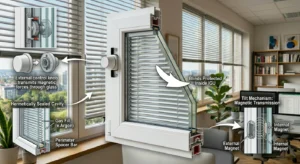
Wooden blinds are a popular choice for homeowners who want a warm, stylish, and practical window covering. When installed correctly, they enhance both the appearance and functionality of a room. However, improper installation can lead to problems such as poor light control, reduced lifespan, and daily operational issues. Many of these problems occur because of simple mistakes that are easy to avoid with the right preparation and understanding.
Knowing the most common installation errors can help ensure your wooden blinds look good, work smoothly, and last for years.
Measuring the Window Incorrectly
One of the most common mistakes when installing wooden blinds is incorrect measurement. Even a small measuring error can result in blinds that do not fit properly. Blinds that are too wide may not sit inside the frame, while blinds that are too narrow can leave gaps that affect privacy and appearance.
Accurate measurements are essential, whether the blinds are being installed inside the window recess or outside on the wall or frame. Measurements should always be taken more than once to confirm accuracy. It is also important to measure width and drop separately, as window frames are not always perfectly square.
Rushing this step often leads to blinds that look uneven or function poorly once installed.
Choosing the Wrong Mounting Style
Another common mistake is selecting the wrong mounting option for the window. Wooden blinds can be installed as an inside mount or an outside mount, and each option has specific requirements.
Inside mounts require sufficient depth within the window recess to accommodate the headrail and slats. If the recess is too shallow, the blinds may protrude or fail to operate smoothly. Outside mounts are ideal for shallow windows, but incorrect placement can block light or interfere with window handles.
Failing to consider the window structure and available space can lead to awkward positioning and reduced functionality.
Ignoring the Weight of Wooden Blinds
Wooden blinds are heavier than many other types of window coverings. A common mistake is using unsuitable fixings or brackets that are not strong enough to support the weight.
If the brackets are not secured properly into a solid surface, the blinds may sag or even pull away from the wall over time. This can damage both the blinds and the surrounding area.
It is important to use the correct screws and wall plugs based on whether the blinds are being fixed into wood, plaster, drywall, or masonry. Ensuring the brackets are level and firmly secured helps prevent long-term issues.
Installing Blinds in High Humidity Areas
Placing wooden blinds in areas with high humidity without proper consideration is another frequent mistake. Kitchens, bathrooms, and laundry rooms often experience moisture and steam, which can affect natural wood.
Without adequate ventilation, wooden blinds may warp, swell, or crack over time. Many people install real wood blinds in these areas without realizing the long-term impact of humidity.
In moisture-prone rooms, faux wood blinds are often a better choice. If real wood blinds are preferred, proper ventilation and distance from direct moisture sources are essential.
Failing to Level the Blinds Correctly
Blinds that are not level can look unprofessional and may not operate smoothly. This often happens when installers rush through the bracket installation stage or rely on visual judgment instead of proper tools.
A slight tilt can cause the blinds to raise unevenly or create gaps when closed. Over time, uneven tension can also put stress on the internal mechanisms.
Using a spirit level during installation ensures the blinds sit straight and function as intended.
Over-Tightening Screws and Components
While it is important to secure blinds firmly, over-tightening screws is a common mistake that can cause damage. Excessive force can crack wooden headrails, strip screw holes, or distort brackets.
Over-tightened components may also make it harder to adjust or remove the blinds later. Screws should be tightened enough to hold the blinds securely without stressing the materials.
A careful and balanced approach helps protect both the blinds and the window frame.
Incorrect Cord and Tilt Mechanism Setup
Many wooden blinds include cords and tilt controls that must be set up correctly for smooth operation. Improper alignment or twisting of cords during installation can lead to uneven lifting or difficulty tilting the slats.
Some installers overlook the importance of testing the controls after installation. This can result in discovering problems only after the blinds are fully installed and adjusted.
Testing the lift and tilt functions immediately after installation allows issues to be corrected early, saving time and frustration.
Not Allowing for Window Obstructions
Another common oversight is failing to account for window handles, locks, or vents. If blinds are installed too close to these obstructions, they may not close fully or could rub against hardware during use.
This can lead to wear and tear on the slats and reduced ease of operation. Careful planning and positioning help avoid unnecessary interference and ensure smooth daily use.
Skipping the Manufacturer Instructions
Many people assume that installing wooden blinds is the same for all products. Skipping the manufacturer instructions is a mistake that can lead to incorrect installation.
Different blinds may have specific requirements for bracket spacing, headrail attachment, or control mechanisms. Ignoring these details increases the risk of operational problems or voided warranties.
Taking time to read and follow the provided instructions helps ensure correct installation and long-term performance.
Final Thoughts
Installing wooden blinds may seem straightforward, but small mistakes can have lasting effects. From inaccurate measurements to improper mounting and environmental considerations, each step plays an important role in the final result.
By avoiding common installation errors and taking a careful, methodical approach, wooden blinds can be installed securely and correctly. This ensures they not only look attractive but also function smoothly and stand the test of time.
Proper installation protects your investment and allows you to enjoy the full benefits of wooden blinds for years to come.